Walking as a social format
Locomotion side-by-side fundamentally alters the cognitive and sensory conditions of human conversation. This chapter assesses linear pedestrian routes as structured gathering environments with minimal social friction.
Biomechanical and visual characteristics of walking
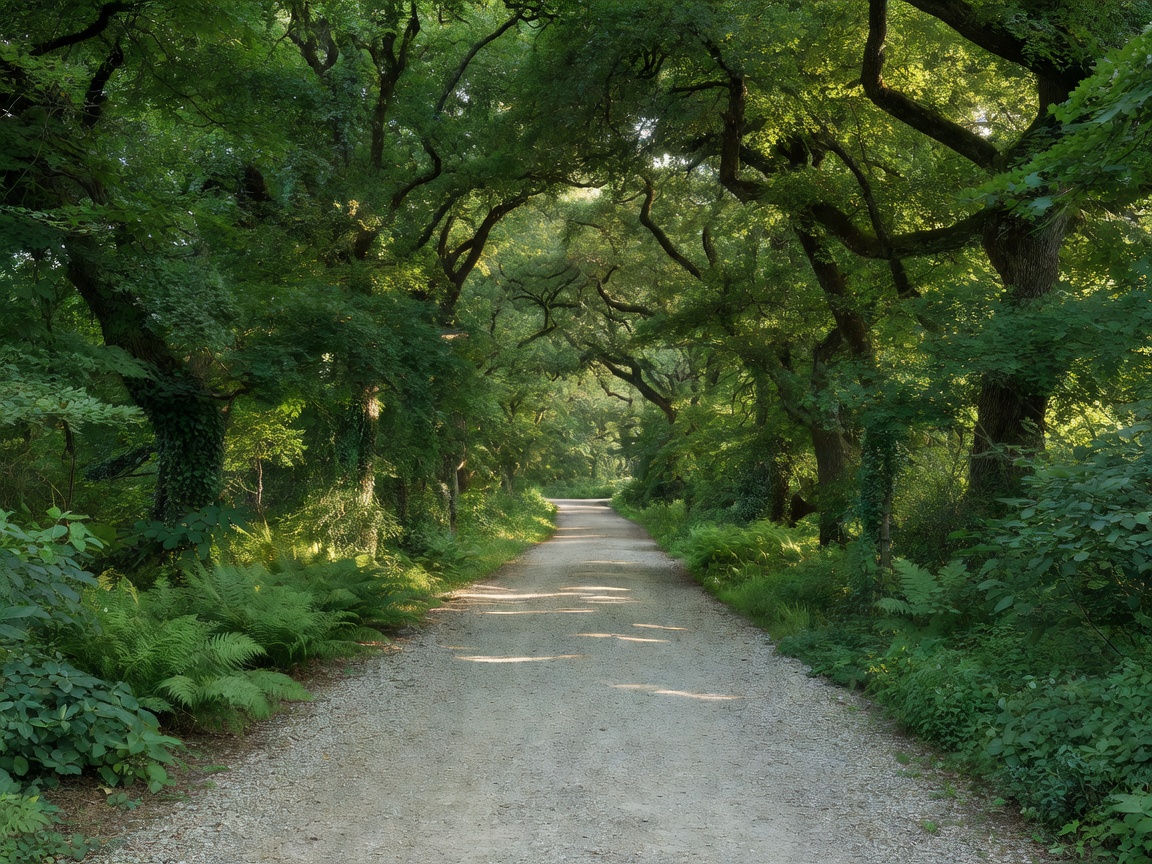
A social walk is characterised by parallel locomotion along a defined geographical path. Unlike seated dining or parlour settings that impose direct, reciprocal gaze orientation, walking directs both participants' visual fields forward along the trajectory of travel. In psychological and sociological inquiry, eliminating direct eye contact significantly attenuates the perception of conversational evaluation.
Furthermore, periods of silence while walking are naturally absorbed by the rhythm of physical movement and environmental observation. Consequently, pauses do not trigger the communicative awkwardness commonly experienced during sedentary meals. The analytical boundary of this observation is strict: physical fatigue, adverse weather conditions, or uneven terrain introduce new stressors that can quickly counteract these interpersonal advantages.
Real examples of structured linear pathways
Route typology heavily influences the communicative tenor of a social walk. Established pedestrian corridors illustrate distinct operational environments:
- The Thames Path: Designated as a National Trail in 1989, this continuous 296-kilometre pathway follows the riverbanks from the Cotswolds through London to the sea. Its level grade, continuous water frontage, and absence of vehicular traffic provide an uninterrupted setting where conversational pacing remains entirely decoupled from navigation.
- Regent's Canal Towpath: Constructed between 1812 and 1820 across north London, this canal corridor connects Little Venice to Limehouse Basin. The industrial brick architecture and confined towpath channel movement along a strict linear axis, although high pedestrian and cyclist traffic during peak hours requires heightened spatial vigilance.
- The Water of Leith Walkway: Traversed across Edinburgh from Balerno to the port of Leith, this 19.6-kilometre route features dense tree canopies and acoustic buffering from adjacent urban transit corridors, facilitating low-volume verbal dialogue.
Route selection evaluation criteria
Selecting an appropriate corridor requires objective assessment of environmental factors. The comparison table below highlights variables that dictate conversational ease along pedestrian ways.
| Route Profile | Pedestrian Width | Acoustic Interference | Navigational Burden |
|---|---|---|---|
| Rural Riverside Towpath | Wide (permits dual abreast walking) | Low (natural water sounds) | Negligible (single linear axis) |
| Urban Canal Path | Narrow (requires periodic single file) | Moderate (adjacent urban infrastructure) | Low (continuous track) |
| Municipal Public Park | Variable paved walkways | Moderate to High (recreational density) | Moderate (frequent junction decisions) |
Physical and environmental constraints
Despite its benefits, walking is not a universally accessible format. Differences in cardiovascular endurance, joint mobility, or footwear can create unspoken physical discomfort. Furthermore, rain, cold winds, or high urban noise levels can force participants to raise their voices uncomfortably or curtail the outing prematurely. Organisers must explicitly agree on duration, pace, and weather cancellation thresholds prior to embarking.